Boat Storage
Chances are, if you have a boat, you need affordable boat storage. At Store Space, we offer a wide range of storage solutions for watercraft of all types, from paddleboards that will fit in an indoor storage unit to a large pleasure boat, and many in between.


Easy, Affordable Boat Storage
We offer easy and affordable storage options for many boats and personal watercraft. Our storage rates and valuable move-in promotions are posted on our store pages, along with our available storage options.
When you find the watercraft storage solution to suit your needs, complete your rental online to move in on your schedule. And with our month-to-month Rental Agreements, you can keep your boat in storage for as long as you need, without the worry of a long-term contract.
Below, we’ll list the types of boat storage available, storage facility amenities, plus some bonus tips for storing your boat.
Resources to help you
If you’ve never rented self storage before, we’re here to help.
Once you’ve found the right storage unit you can lock in your price by making a free reservation.
Here’s what you need to know to make the process as smooth as possible.
See what fits in different storage unit sizes
Storage Features & Amentities

Thoughtful Features
Access to our properties is electronically controlled by personalized PINs, most buildings are fenced, and our interior and exterior spaces are well-lit, all to provide additional peace of mind.

Cleanliness
Let your storage experience begin with a clean storage unit at Store Space. We keep our stores and amenities clean, too, just for you.

Customer Service
At Store Space, we strive to provide you with the best self-storage experience possible. Our team members understand the needs of our guests and offer compassionate support throughout the rental process.

Speed-e-Rent
Speed-e-Rent lets you complete your rental process online in just minutes. Sign your Rental Agreement, get Tenant Protection, even enroll in our free AutoPay service, then skip the counter and go right to your unit on move-in day — it's that quick and easy!
Billing
- AutoPay available
- Major credit cards accepted
- Pay online, in-store or by phone
- Rent due on 1st of each month
Access
- Computer-controlled gate access
- Customized PIN
- Extended daily gate hours
- Your lock, your key
Administrative
- Call center open late daily
- Free no-obligation reservations
- No security deposit required
- Sign up for text alerts
Moving
- Designated unloading areas
- Large doorways
- Spacious elevators
- Wide driveway aisles
Self Storage FAQs
What is the cheapest way to store a boat?
Outdoor storage is the least expensive way to store a boat. As you increase the level of protection by moving under a roof or into an interior storage unit, the price typically goes up. At Store Space, we post all our rates and our move-in promotions online, so you can compare rates and see what makes the most sense for you. We offer month-to-month leases, so you can rent as long as you need.
How much does it cost to store a boat inside?
Indoor boat storage, either in an interior parking space or in an enclosed self-storage unit, is more expensive than outdoor storage. These options are often less expensive than mooring your boat in the water or out of the water at a facility next to your marina. We post our rates on our facility pages so you can easily compare costs. And with monthly rentals, you can rent as long as necessary.
Is it OK to store a boat outside in winter?
Yes, and in many cases, it’s preferred to storing it in the water, not to mention less expensive. Just make sure you winterize your watercraft so it’s fully protected during the off-season.
Should I shrink-wrap my boat before storage?
You can shrink-wrap your boat before storage, but it’s not necessary to prepare it this way before taking it to a storage facility. While the initial cost might be lower than a boat cover, and the waterproofing is superior to canvas, the annual costs will build up over time. Plus, shrink wrap is not recommended for storing more than a season at a time. This list of pros and cons can help you make an informed decision.
Is dry storage better than marina storage?
There are a lot of factors to consider when choosing between storing your boat at a marina versus a dry storage unit. If cost alone is a factor, then dry storage will almost always be cheaper. Weather can also be an important factor. If your marina typically sees harsh weather during the winter months, it might be a good idea to keep your boat out of the water. Plus, having your boat out of the water allows you the opportunity to inspect it and perform routine and preventative maintenance.
Can you store a boat in a storage unit?
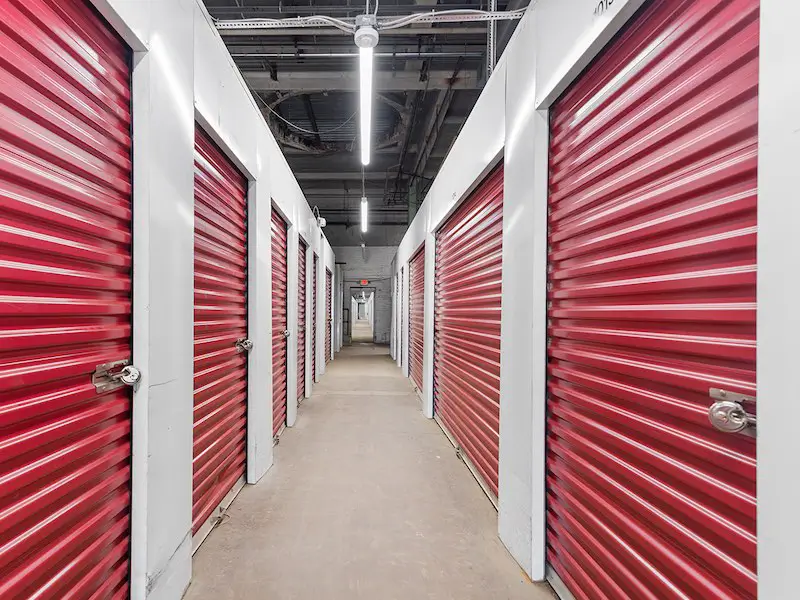
The biggest factor in attempting to use an enclosed storage unit for your watercraft is the size of the roll-up door on the front of most drive-up storage units. These doors usually max out at 7 ft. tall, which makes larger boat storage a challenge. That said, your smaller watercraft are certainly welcome in many of our facilities.
Reasons to Store Your Boat
There are plenty of reasons to look for boat storage, the most obvious of which is that you want an easily accessible place to store your boat during the off-season. But there are other reasons, too. Here are the five top reasons people seek storage for their boats.
1) Cost
Many people need year-round storage because it represents a cost-effective storage option. Keeping your boat moored at the local marina can be very expensive and assumes that you plan on using that body of water exclusively. Moreover, you might still need to make arrangements to take the boat out of the water during the winter, depending on the local climate.
2) Regulations
Storing a boat in your driveway in front of your house can often violate city ordinances or at minimum get you in trouble with the HOA or your neighbors.
3) Convenience
Having your boat at a facility closer to your home has many advantages. Plus, it’s easier to depart from a storage facility, especially if it’s on the outskirts of town and/or has easy freeway access.
4) Space
Space is a consideration whether you’re in a house or apartment. If you live in an apartment, you probably don’t want your paddleboard taking up half your living room all the time. Or maybe you don’t want your fishing boat to take up half of your driveway or garage all year.
Whatever the reason for storing your watercraft, Store Space facilities have multiple options for storing all manner of watercraft, from canoes and kayaks to jet-skis, small fishing boats, up to larger powered boats.
5) Thoughtful Features
Besides freeing up space at your home, confidence is an important benefit of utilizing a storage facility. Most properties are fully fenced. Gate access is restricted, requiring a PIN code. Video cameras watch the grounds 24/7. Plus, we offer extended gate access hours, 7 days a week.
Types of Boat Storage
For anything but the smallest boats or watercraft, outdoor storage is the best choice. Dropping off your boat or watercraft is easy since most storage facilities are constructed with large gates and wide driveways to facilitate trucks and trailers.
Outdoor Boat Storage Options
The most common type of boat storage you’ll find at storage facilities is outdoor storage. Outdoor parking spaces are typically situated in a gated and fenced area. Depending on the facility, these boat trailer parking spaces are usually 10 feet wide and can be up to 40 ft in length.
Make sure to take the length of your trailer into account when arranging for storage space. Trailers typically add approximately 2 to 4 feet to the overall length of the boat. Don’t forget about your dive platform, either!
Covered Boat Storage
Most covered boat storage is in the form of a ramada (a roof without walls). The benefit of a ramada is added protection from the sun (UV rays can damage fiberglass, for example), as well as hail, rain and snow.
Guidelines for Small Craft Storage – Jet Skis, Canoes, Kayaks, etc.
There are a number of small watercraft that can fit in a storage unit. Storage units are a great option for freeing up room in your garage, or to protect your craft from the elements when you’re not using it on the lake or river. There may be restrictions at specific locations, plus you should always read your Rental Agreement for additional details.
1) Bass Boat Storage
Many small fishing boats are under 20 ft. in length, making them ideal for a 10×20 drive-up storage unit. If your boat is 20 ft., a drive-up unit of 10×25 or 10×30 would be acceptable. Remember, your trailer adds 2 to 4 ft. to the overall length. Follow our tips for boat storage below.
2) Jet Ski Storage
Most jet skis are about 10 feet long and a trailer can add another 2 to 4 ft., meaning a 10×15 or larger storage unit should suffice. Follow the winterization steps in your owner’s manual to winterize jet skis.
3) Canoe and Kayak Storage
Indoor storage for canoes, kayaks and paddleboards is preferred since exposure to weather and UV rays can be harmful over time. Storing them on the ground or propped up in a corner is not recommended; make sure to build or purchase suitable supports to protect your investment for all of your future adventures.
How to Prepare Your Boat for Storage
If you’re going to be storing your boat for any length of time, you’ll want to take steps to protect your investment from the elements. While summer storage might be as simple as making sure your boat is dry and clean before covering, off-season storage requires specific preparation.
- Make sure the titles and registrations are up to date for both the trailer and the boat.
- Check to ensure the wheels on your trailer are inflated and in good shape
- Drain as much gas as possible from the engine.
Whether you’re storing outdoors or indoors, it’s important to have a boat cover. This will help keep your boat or watercraft protected from the elements, as well as prying eyes.
How to Winterize Your Boat
Winterizing your boat is especially important if you plan to have your craft out of the water for any length of time.
Water poses the biggest danger when your boat is in storage. Between freezing, mold/mildew growth and corrosion, water can cause issues with many different systems on your boat.
Because of this, it’s important to follow your owner’s manual or a vehicle winterization guide to properly winterize your boat.
Some of the important takeaways for winterizing your boat:
- Drain all water
- Add corrosion protection to the engine
- Add antifreeze to the plumbing system
- Remove all drain plugs
- Cover your boat
Rent Boat Storage
Now that you know more about your boat storage options, it’s time to take action. Check out the Store Space facilities near you to see our boat storage options online, stop by a local facility or call us at 833-786-7366 to talk to one of our storage professionals.
Helpful Articles